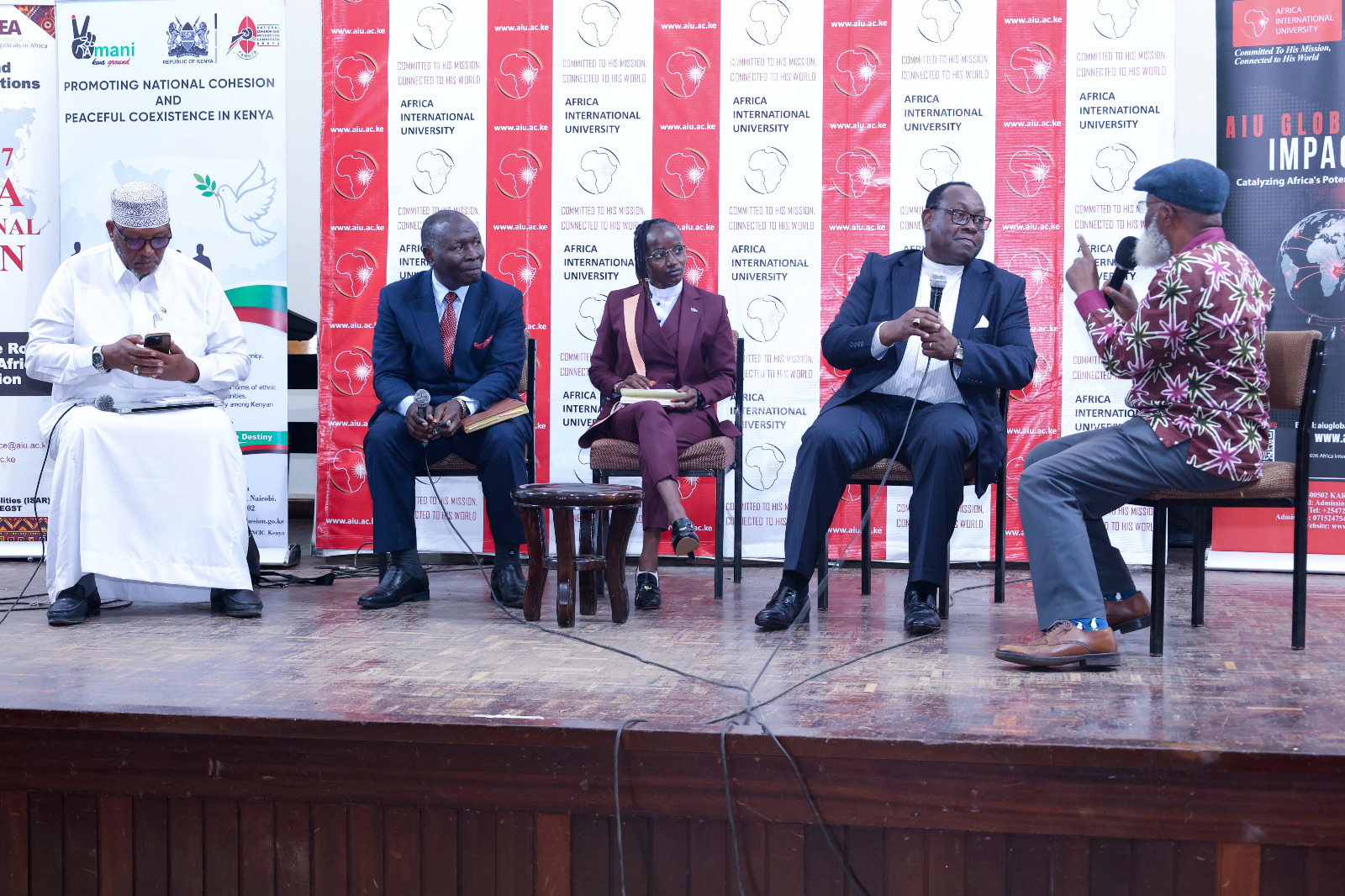
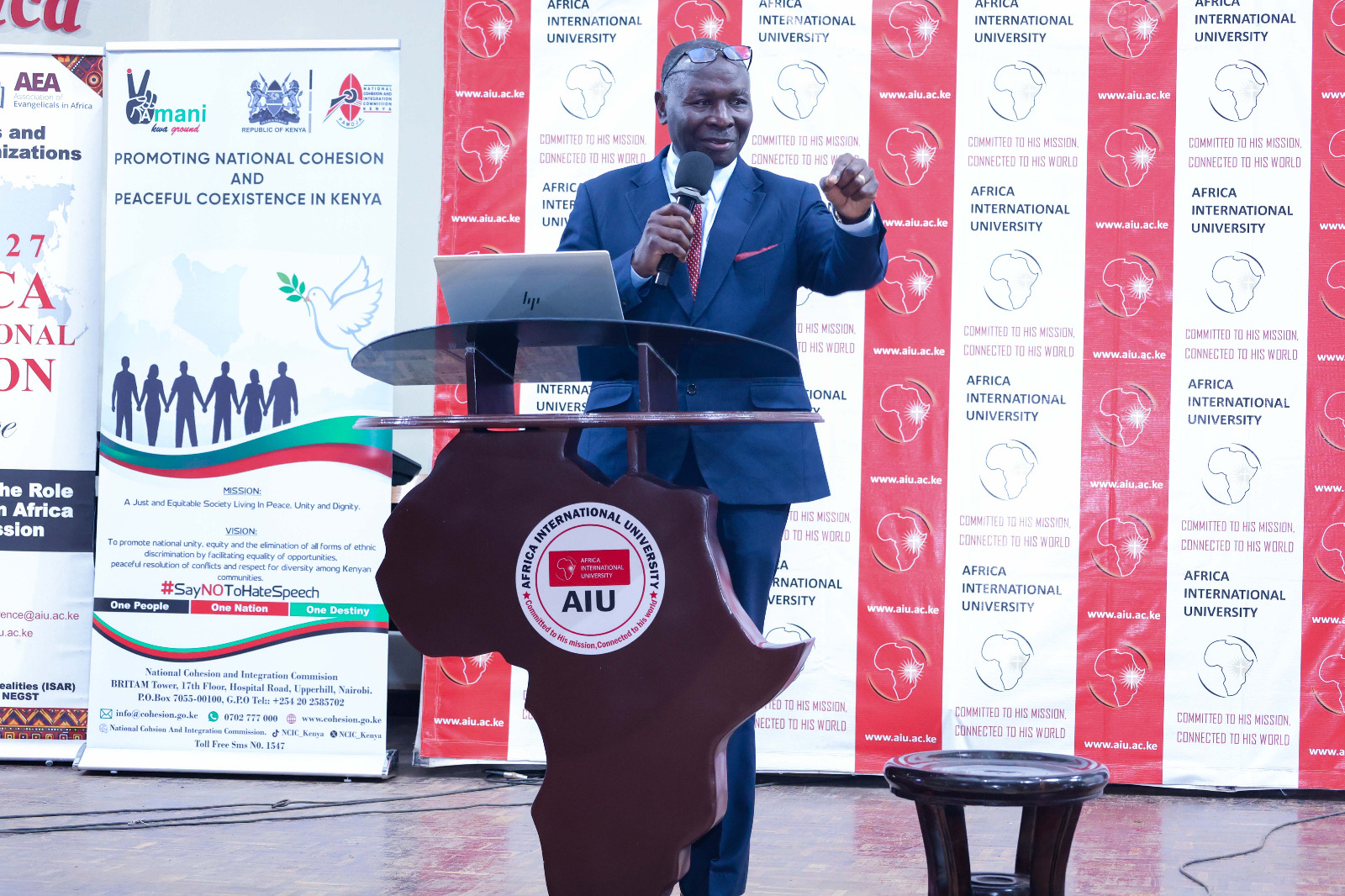
The 2026 ISAR AMANI Symposium held on the 11th of November provided an important platform for examining the complex relationship between religion, democracy, leadership and peace in Africa, particularly the role these institutions and systems play in shaping the continent’s political and social landscape. It critically examined the circumstances under which religious institutions can contribute to electoral violence, become implicated in political polarization, or serve as influential actors in peacebuilding and democratic transformation.
The symposium was graced by:
With the discussions were anchored around five key sub-themes:
The contributions made sparked rich conversations on the responsibilities of religious institutions, the dynamics of electoral competition, conflict prevention and the collective pursuit of peaceful democratic processes.
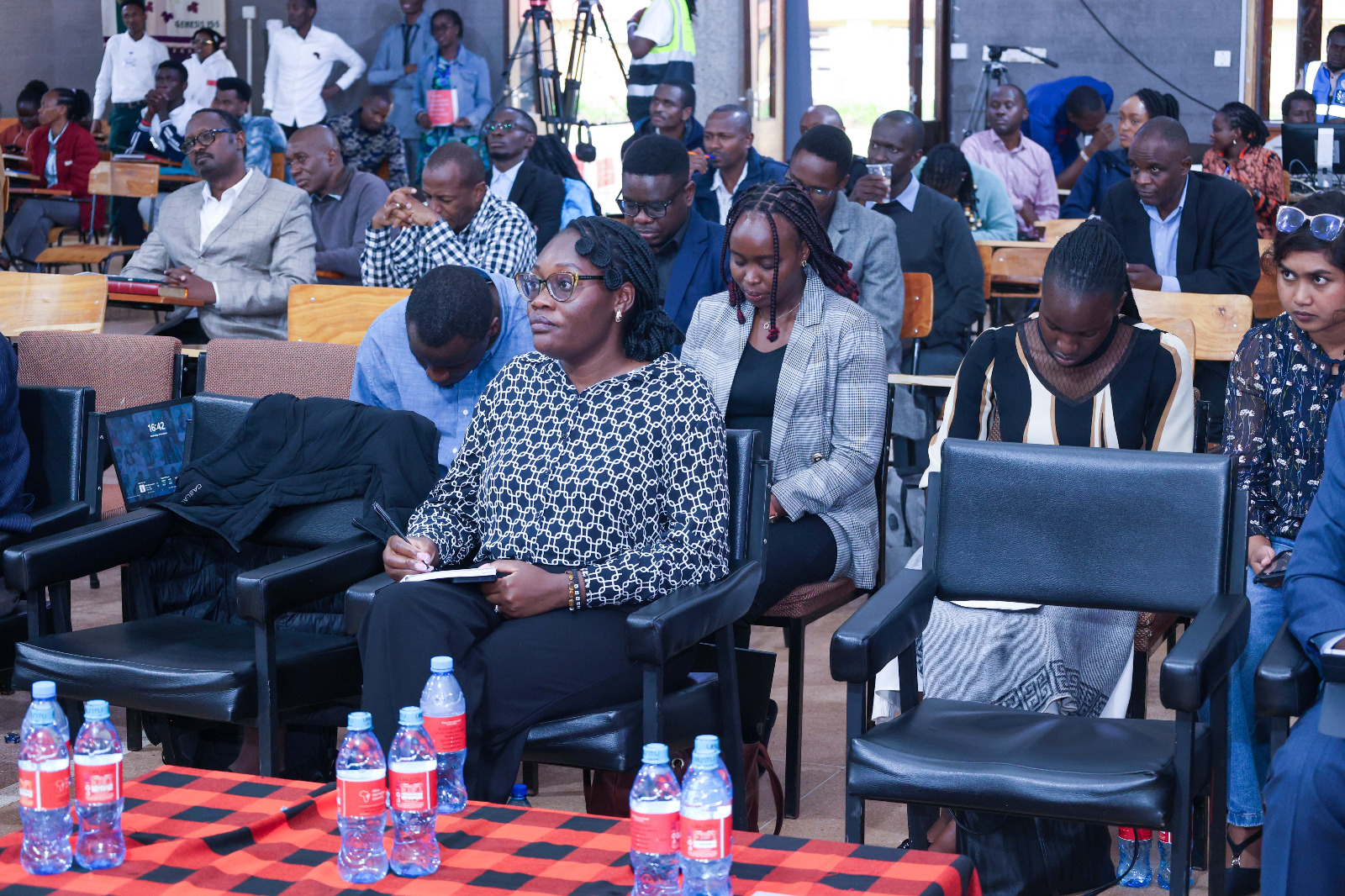
📌Religion is never neutral. It plays a significant role in shaping society, either as a force for transformation or division.
📌 Electoral violence often has deeper roots. Neglected justice, unresolved grievances and systemic inequalities can create fertile ground for conflict.
📌 Identity can become a source of division when manipulated or entangled with political allegiance.
📌 The pulpit carries responsibility. Religious leaders must recognise the influence they hold and remain accountable for the messages they communicate and the actions they legitimise.
📌 Positive peace and genuine justice come at a cost. Are we willing to make the necessary sacrifices to pursue both?
📌 Sometimes, the problem is not the elephant in the room, but the room itself. Addressing conflict requires us to look beyond visible challenges and confront the structures and systems that sustain them.
Ultimately, one of the most important takeaway is that : Elections should be instruments of democratic progress, not triggers of violence; and religion should serve as a bridge for peace, not a tool for division.
As we reflect on these conversations, may we each choose to be the hummingbirds—taking individual but meaningful steps towards positive change. Building a peaceful, just and united Africa is a collective responsibility.
At Africa International University, we remain committed to advancing conversations, scholarship and engagement that contribute to transforming lives and shaping a better society.