Africa International University (AIU) is strengthening its commitment to innovative and learner-centred education through a faculty empowerment program focused on equipping educators with the skills and approaches needed to shape the classroom of the future.
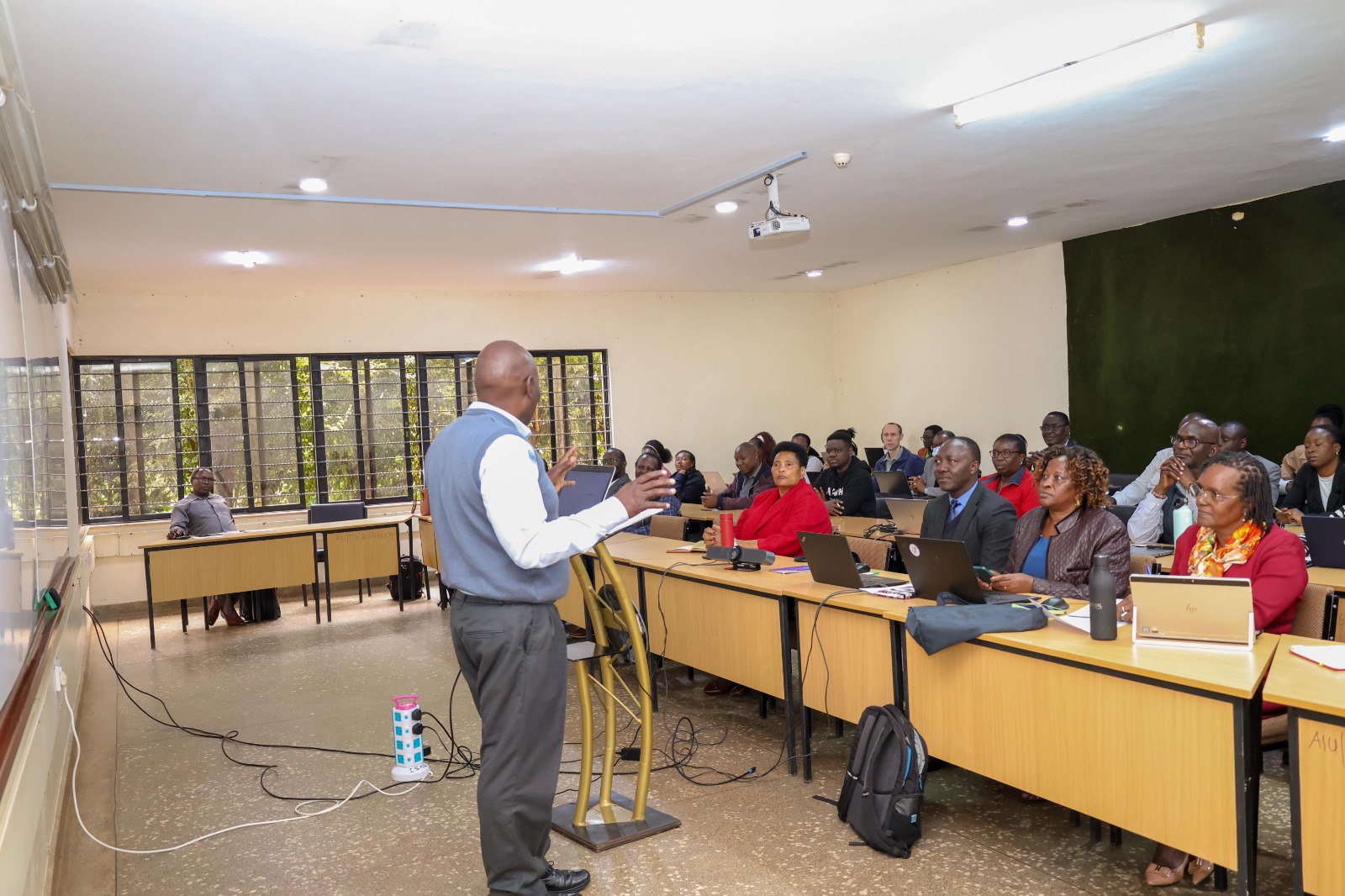
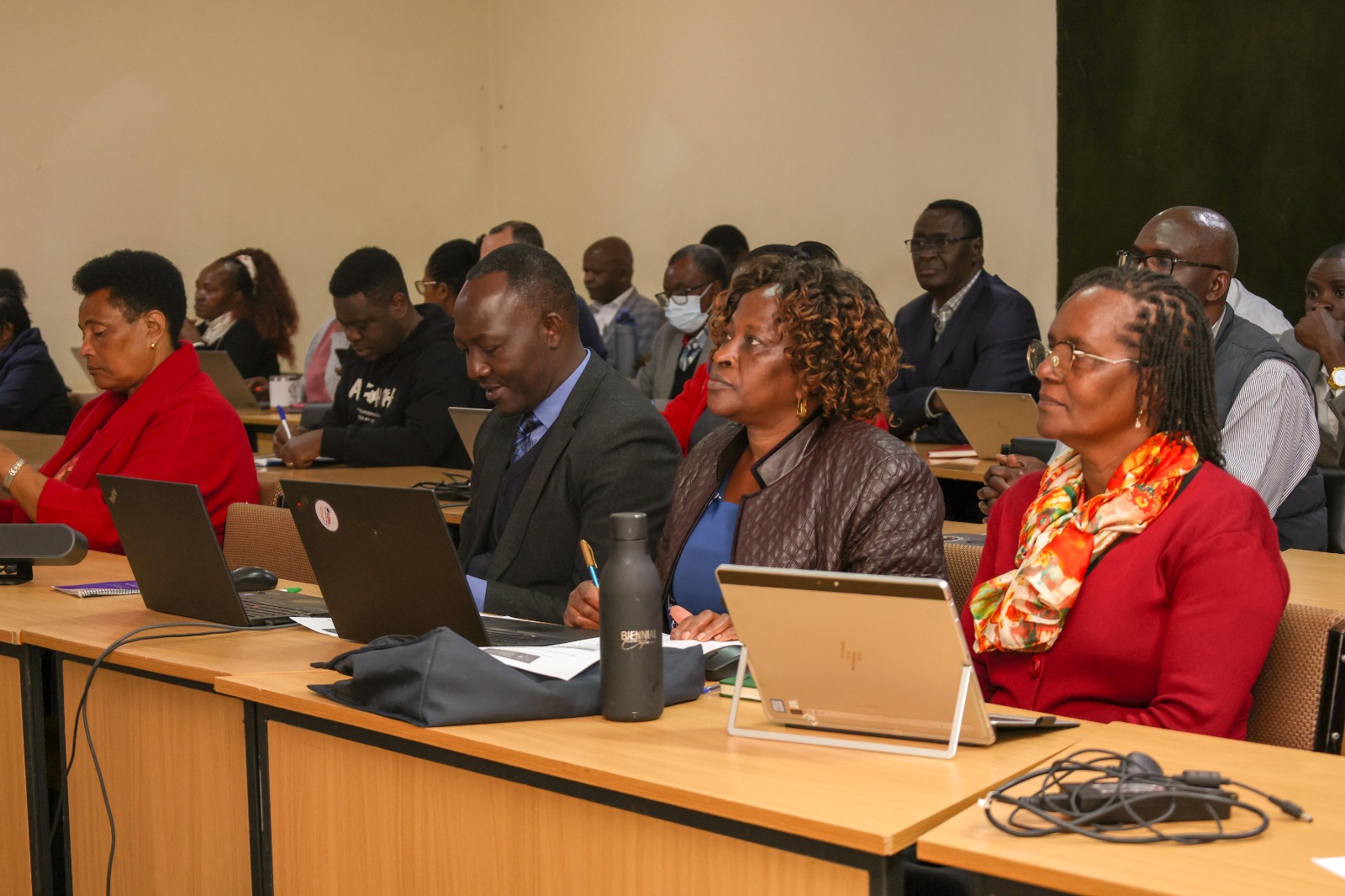
On Wednesday, 2 September 2026, AIU hosted a one-day Faculty Empowerment Program themed “Empowering Educators: Innovative Pedagogies and Higher-Order Questioning for 21st-Century Classrooms.” The training brought together university leadership and teaching staff for a practical and thought-provoking engagement on how teaching can move beyond traditional approaches to foster deeper learning, critical thinking, and meaningful student participation.
The workshop focused on strengthening faculty capacity to adopt innovative pedagogical approaches while creating learning environments that encourage students to actively engage with knowledge rather than simply receive it.
Among the key areas explored was Bloom’s Taxonomy, with faculty examining the six levels of cognitive development—Remember, Understand, Apply, Analyse, Evaluate, and Create—and how these can be incorporated into teaching, classroom discussions, lesson planning, and assessments.
Participants were also equipped with practical approaches to developing higher-order thinking questions that challenge students to analyse information, evaluate ideas, solve problems, and develop creative solutions.
The emphasis was not only on what educators teach, but also on how they engage students in the learning process.
The training was facilitated by Dr. George Kegode of Moi University, who challenged faculty to rethink conventional approaches to teaching and embrace methods that encourage students to question, analyse, create, and apply knowledge in meaningful ways.
Dr. Kegode emphasised the importance of continuous reflection among educators, encouraging faculty to assess and refine their teaching practices in response to the changing needs of today’s learners.
His message underscored a central principle of 21st-century education: effective teaching is not simply about delivering content; it is about creating opportunities for learners to think deeply, engage meaningfully, and apply knowledge beyond the classroom.
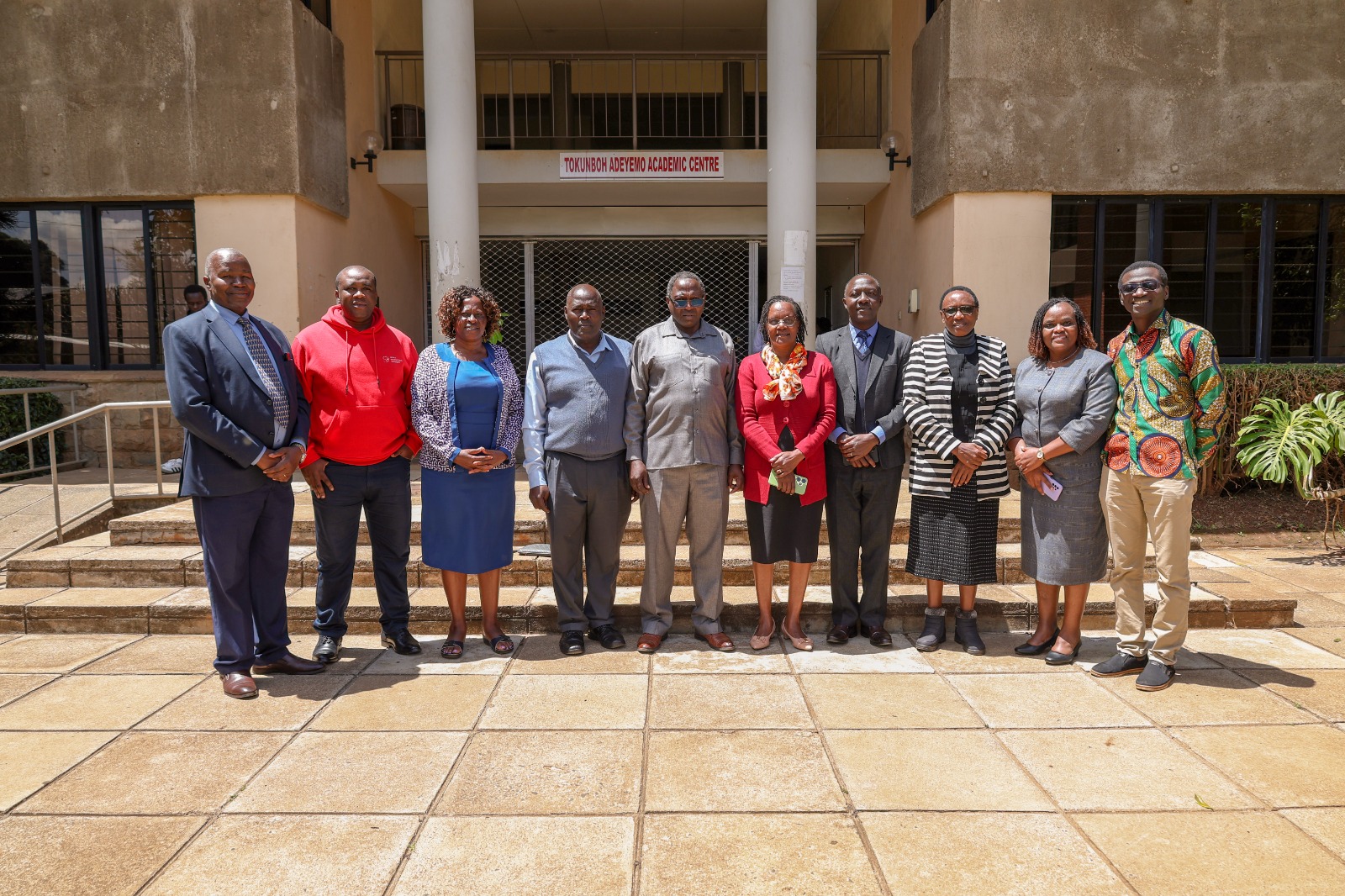
The program brought together the Vice Chancellor, Dr. Nelson Makanda, Deputy Vice Chancellor Prof. John Chang’ach, Deans of Schools, Heads of Departments, and teaching staff.
The participation of university leadership demonstrated AIU’s institutional commitment to strengthening teaching and learning and ensuring that its educators are continually equipped to respond to the demands of a rapidly evolving educational landscape.
As education continues to evolve, the role of the educator is equally transforming. Today’s students require more than knowledge; they need the ability to think critically, solve complex problems, communicate effectively, innovate, and adapt to change.
At AIU, empowering educators is therefore an investment in the University’s broader mission of developing graduates who are prepared to make a meaningful difference in society.
By equipping faculty with innovative pedagogies and effective tools for nurturing critical and creative thinking, AIU is not merely preparing for the classroom of tomorrow, it is actively shaping it.